Trauma Therapy in Sydney & online
Trauma-informed psychotherapy that works with the body, the imagination, and the arts at a pace determined by you.
I'm Jerico Mandybur, a registered arts-based therapist offering sessions in Sydney and online across the country and overseas. Registered art therapists are recognised mental health professionals in Australia. I work with women, LGBTQIA+ people, and anyone who find their past continually showing up in the present.
Do you ever think:
"Nothing is wrong right now, so why do I act like it is?"
"I can talk about it calmly, and I feel nothing."
"I keep landing in the same kind of relationship."
"I'm exhausted from being on autopilot."
"Other people have had to much worse."
Underneath it all, you just want to feel safe-enough in your own skin; to move through hyper-vigilance and functional freeze, towards wholeness and self-trust.
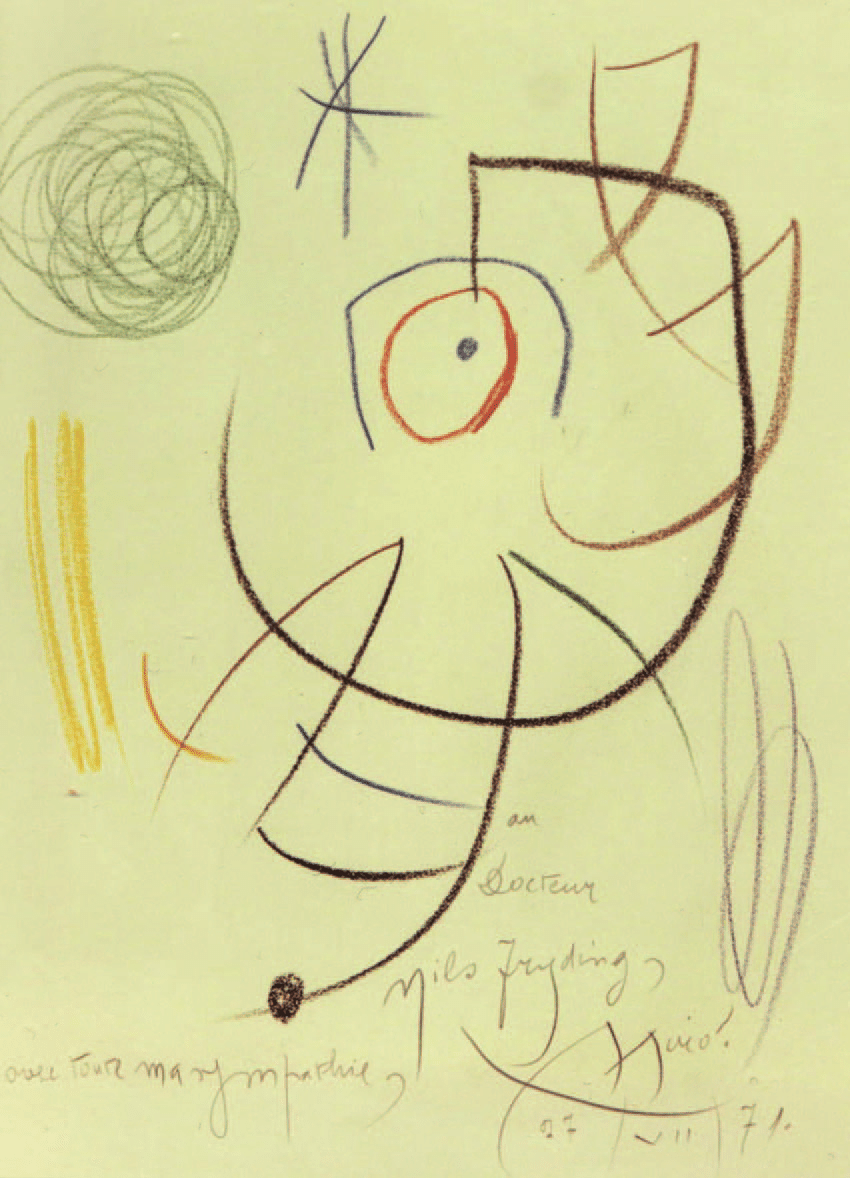
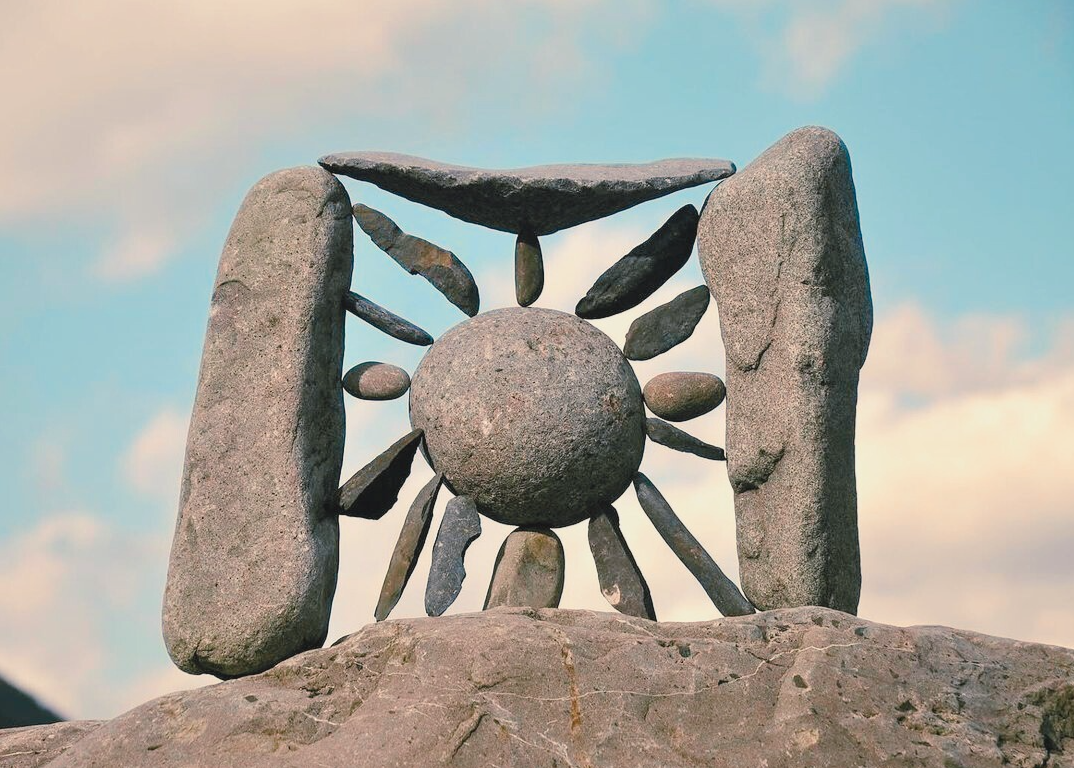
You are not alone
Many people carry experiences from childhood, relationships, medical settings, communities, or systems that were never safe enough. Plenty of these people look completely together from the outside. Having your trauma go unseen is its own weight.
Feeling at home in yourself is possible
Trauma responses like hypervigilance, shutdown, people-pleasing, perfectionism, and self-abandonment begin as intelligent ways of surviving hard times. They tend to stick around long after the danger’s gone. But they also loosen when they're met with steadiness, curiosity, space to explore, and time.
Over time in arts therapy, people often describe feeling more grounded in their bodies, more able to notice what they feel, and more trusting of their own inner knowing. That's the direction we move in, together.
I'm Jerico, a registered arts-based psychotherapist. I offer trauma-informed therapy in Sydney and online. My work is relational, creative, and somatic, with parts work and Gestalt approaches woven in. It's shaped for sensitive people, including women, femmes, LGBTQIA+ and neurodivergent people, who are tired of approaches that solely centre talking.

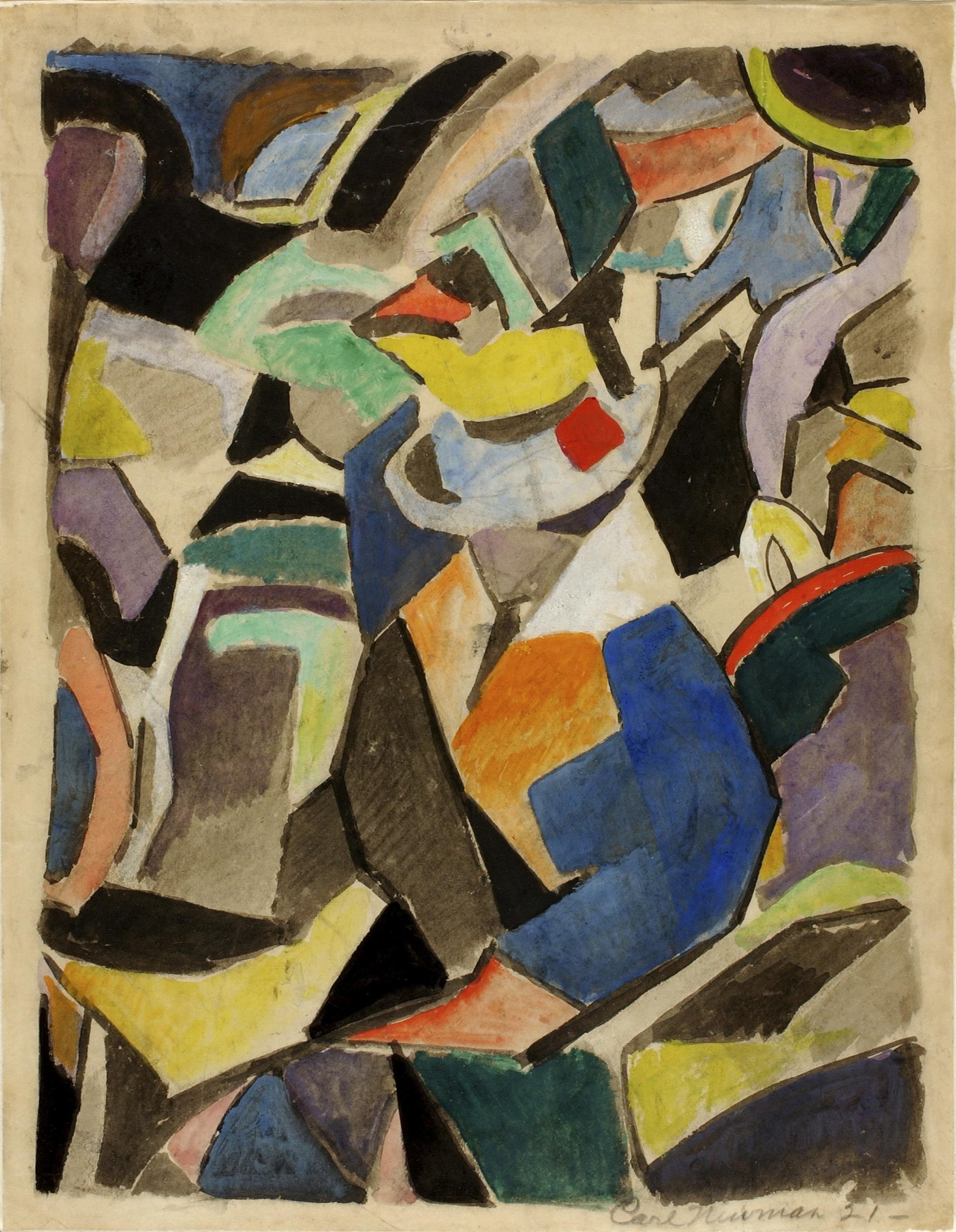
Why talking about it isn’t always enough
Talk therapy is wonderful. I’m a big fan. And some things live beyond the reach of clean explanations.
Some experiences are held deep in the body. Some inner information arrives as a sensation before finding words. This is the realm of pre-verbal knowledge.
If you've ever thought "I get it intellectually, so why am I still stuck?", you're in good company. Insight is a significant start.
Imagine what might emerge if you allowed your hands to make something, your body need to feel something, and your mind to receive new input from outside the thought-loop.
This is where arts psychotherapy comes in. It offers more than one way in.
What will a trauma-focussed therapist provide for me??
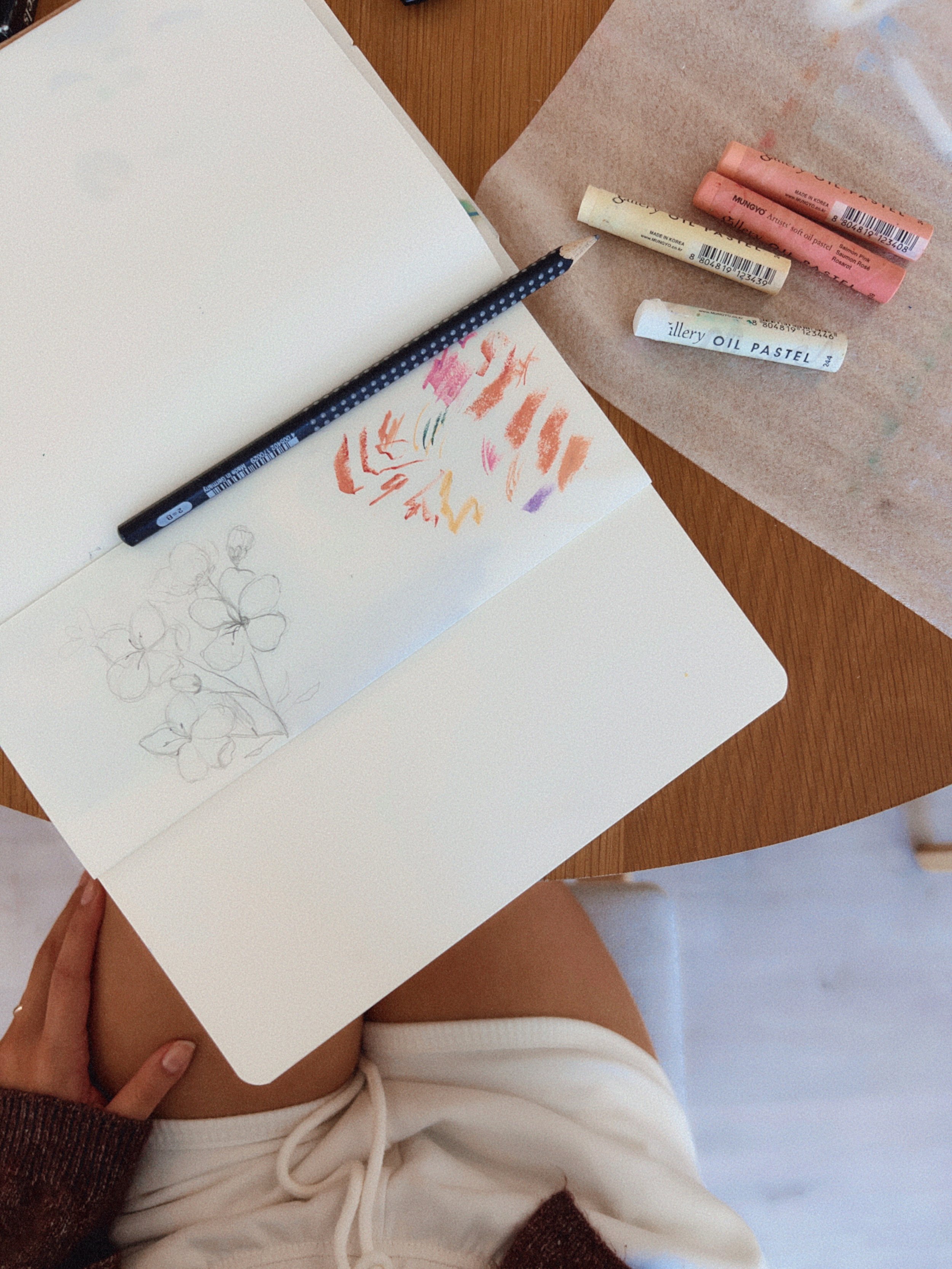
Your first sessions are about slowly building trust. We talk about what's brought you here (without needing specific details) and what you'd like more of in your life. We also build some ways to feel resourced, like grounding through your senses, noticing where you might feel settled in your body, and making something small if you want to.
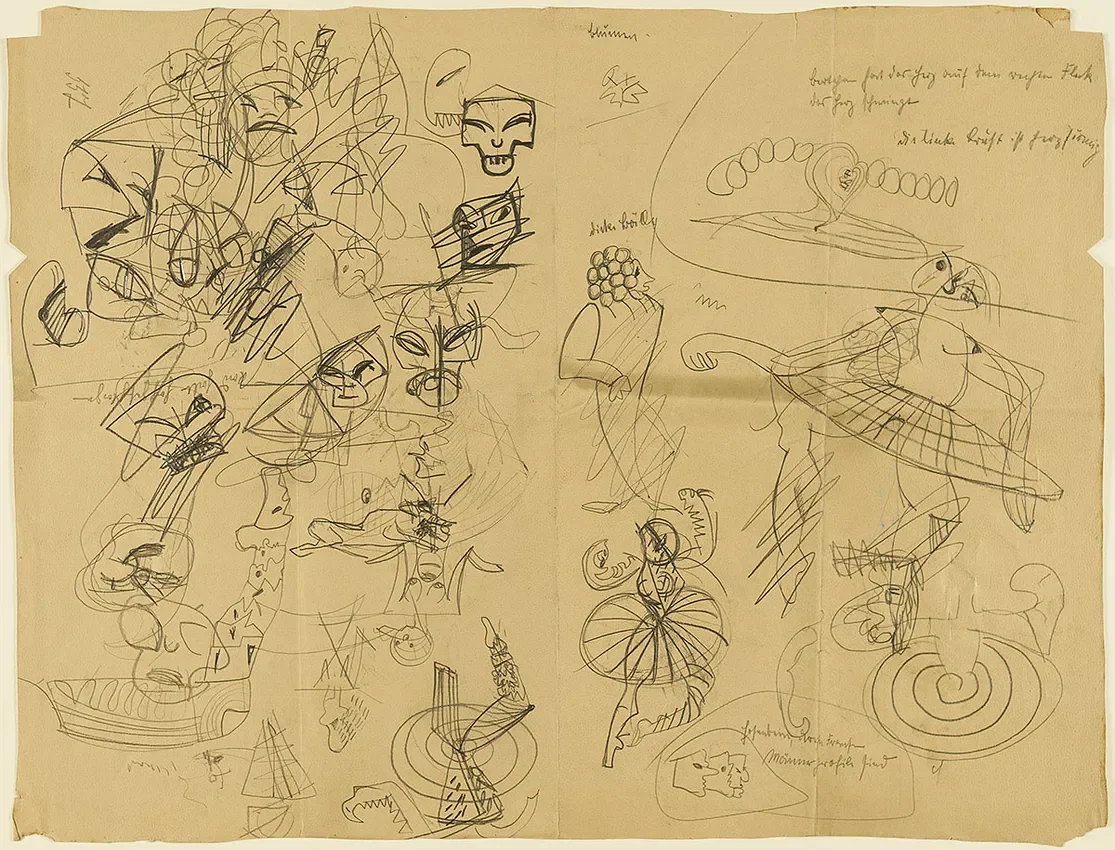
Some weeks might be more about conversation. Others might involve drawing, colour, clay, writing, movement, metaphor, or simply sitting with an image. Creative work gives difficult experiences a form, without forcing you to explain them.
Over time, you find you make choices and create expressions that tell you significant things about your needs, your preferences, and your values. That’s how we grow in resilience, self-trust, and self-expression. That’s how we reconnecct with our inner wisdom and unique way of being.
FAQs
-
Not at all. As an arts-based therapist, I will never dig for details. Only you decide what you share and when (if ever). Much of our early work is about building a sense of safe-enoughness between us and building your emotional capacity, so that anything harder is approached with slow and gentle support rather than overwhelm.
-
You don't need a diagnosis or a dramatic story to deserve therapeutic support. If something left you feeling unsafe, unseen, or emotionally stuck, it's worth being taken seriously. You’re worth being taken seriously. We can talk about it on a free enquiry call.
-
That’s never a problem. It’s a perfectly understandable nervous system response and it’s welcome here. The wonderful thing about arts therapy is that you never have to over-explain or behave in any supposedly “normal” way. The arts are here to support you when you lose your words, want to stim, or would rather hug a squishy than talk.
-
No, I will never analyse or interpret your art for hidden meanings. In creative arts therapy, we stay descriptive; exploring what sensations the colours, shapes, or textures of your materials and art evoke for you. In this way, I offer a supportive container in which you can notice and explore what your art process feels like, without having it dissected. Here, you’re always in control of what you share and how.
-
Not at all. Despite the name, “art therapy” focuses solely on the process, not the product. Art materials are simply tools to help you express and explore your experience, where words might not be enough. And often, using unfamiliar arts materials can yield the most meaningful process.
-
Online or teleheath sessions work just as they would in person. Held via Zoom, you’re invited to use any form of art materials you have on hand; pencils, markers, paper, objects found around the house etc. Nothing is lost in the therapeutic process by meeting online, and in fact, it offers clients an accessible way to work with me no matter their location and access needs.
-
Creativity can take many forms. Sometimes it’s colour and image; other times, it’s language, silence, mindfulness, or the simple act of being witnessed. You are never under any obligation to engage with art materials in our sessions, despite it being named “creative arts therapy”. As a registered therapist, I can hold space for you as we weave the verbal, the somatic, and relational presence into our sessions—as well as any other holistic tools you’re drawn to, such as a Jungian approach to the tarot. It’s completely up to you.
-
Yes. I work with self-managed and plan-managed NDIS participants to provide arts therapy under Capacity Building. Please mention your NDIS participant status in your email enquiry or exploratory call. Referrals welcome.
-
Medicare does not currently fund counselling and psychotherapy sessions, including creative arts therapy.
-
No. Unlike an art class, creative arts therapy is a form of psychotherapy guided by a trained arts-based therapist, focused on emotional growth and wellbeing rather than skills and aesthetics.
-
While creative arts therapy is a form of psychotherapy focusing on emotional integration, self-understanding, and growth; my creative coaching services support creative small business or self-employed professionals take positive action and acheive their goals. As such, these two services support different groups using very different approaches and paradigms. Creative coaching clients should not be seeking arts therapy, or have an established therapeutic relationship elsewhere.
Thresholds
A newsletter.
Thresholds is the Substack of Jerico Mandybur. A place where she offers personal reflections, regular essays, and creative practices exploring the art of inner life. Subscribe now for your FREE 20-min somatic centering practice.